
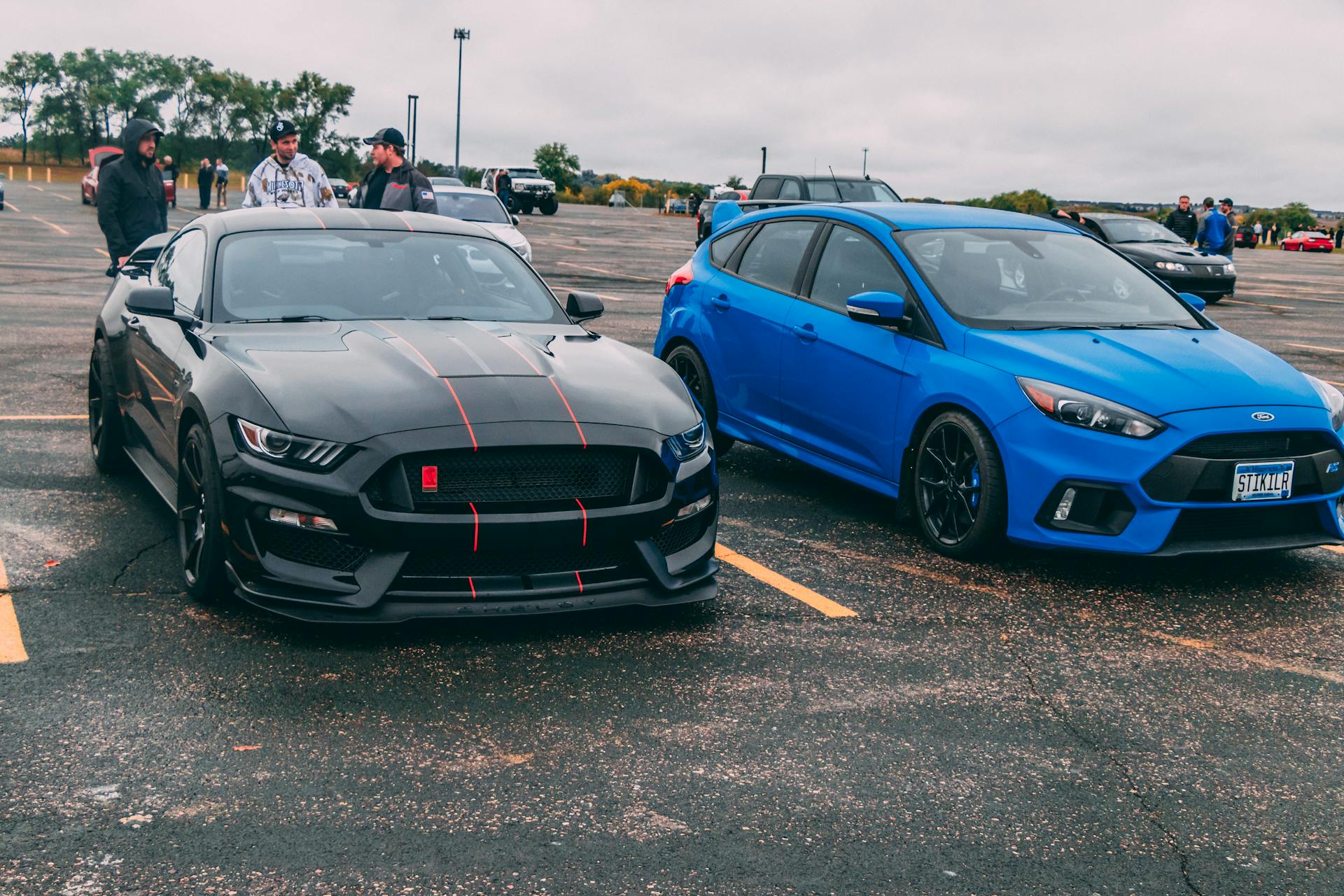
Most of us choose cars based on logic. Price, fuel efficiency, safety ratings, and reliability. All sensible reasons. But if that were the whole story, parking lots would look a lot more boring. The truth is, car choices are deeply personal and often emotional. Beneath the spreadsheets and comparisons, psychology plays a quiet but influential role in why we’re drawn to certain vehicles over others.
Cars as Extensions of Identity
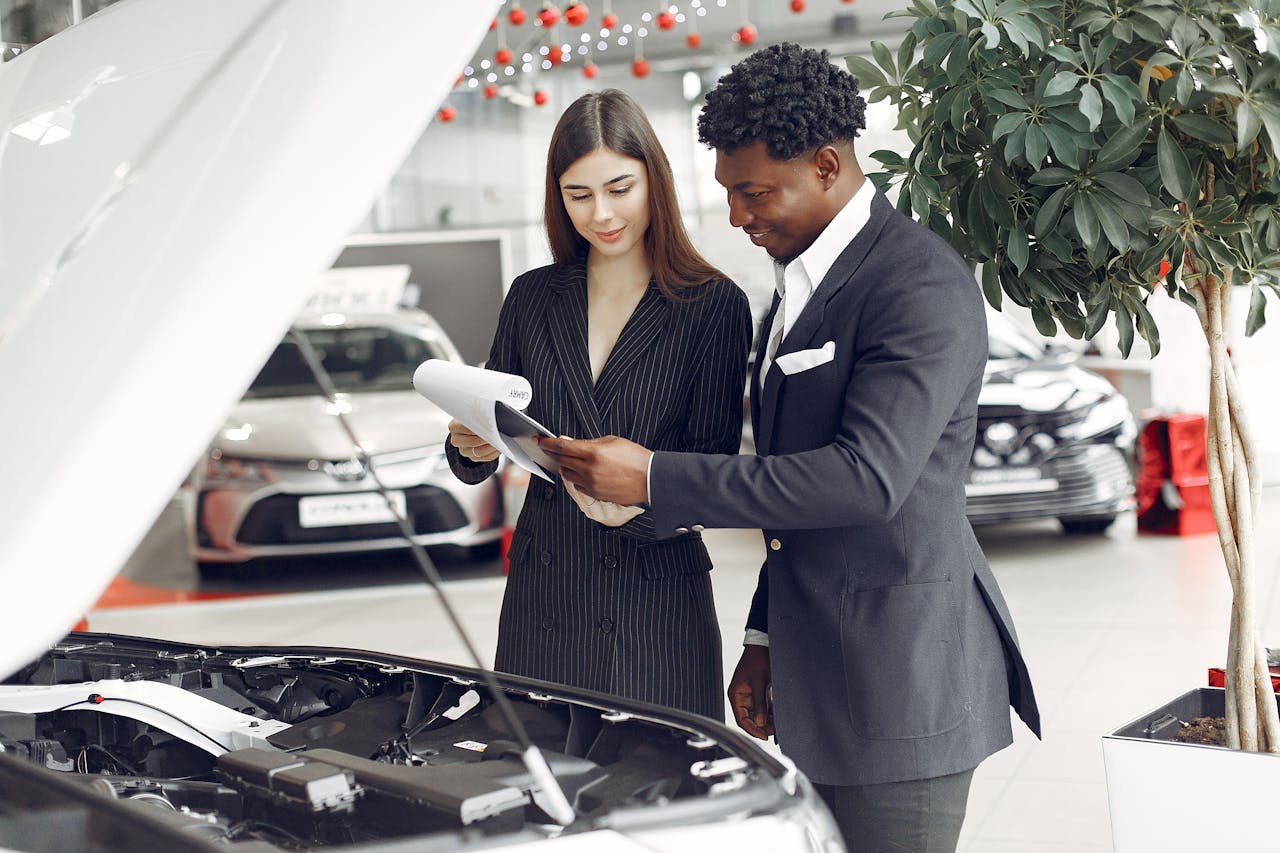
For many people, a car feels like an extension of who they are. It’s one of the most visible personal items we own, and we carry it into public spaces every day. Someone who chooses a sporty coupe may be expressing independence or confidence, while someone drawn to a rugged SUV might value preparedness or strength. These choices aren’t always conscious, but they reflect how we see ourselves or how we want to be seen.
The Role of Emotion in Decision-Making
Even when we think we’re being rational, emotions often drive the final decision. The feeling you get when you sit in the driver’s seat, the sound of the door closing, or the way the dashboard lights up can outweigh practical concerns. That “this feels right” moment is emotional validation, not logic. Our brains are wired to prioritize feelings, especially when a purchase is tied to daily life and personal freedom.
Status and Social Signaling
Whether we admit it or not, cars are social signals. Certain brands carry cultural meanings tied to success, creativity, practicality, or rebellion. Choosing a particular car can be a way to align with a group or distance ourselves from one. Even people who claim they “don’t care about status” are often reacting to it in some way, either by embracing it or intentionally rejecting it.
Comfort, Control, and Safety Signals
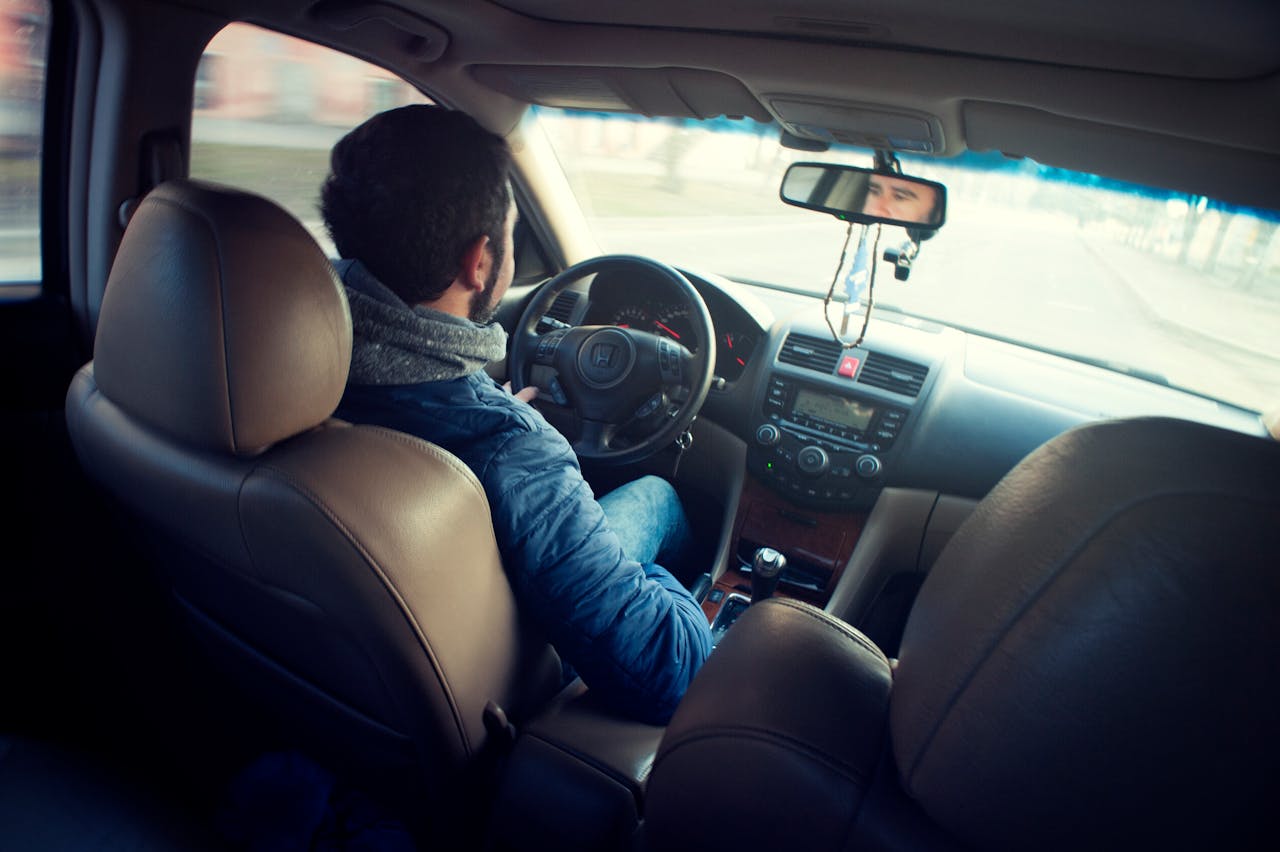
Cars also tap into deeper psychological needs, such as safety and control. Larger vehicles can create a sense of protection, even if safety statistics don’t always support that perception. Smooth handling and quiet interiors can reduce stress, making a car feel like a safe zone in an otherwise chaotic day. These subtle cues influence how secure we feel behind the wheel, which, in turn, strongly affects our preferences.
Nostalgia and Personal History
Past experiences shape future choices more than we realize. A car similar to one a parent drove, a model tied to a memorable road trip, or even a vehicle from a favorite movie can influence what feels familiar and appealing. Nostalgia creates emotional shortcuts, making certain cars feel trustworthy or exciting without needing much justification.
The Illusion of Pure Logic
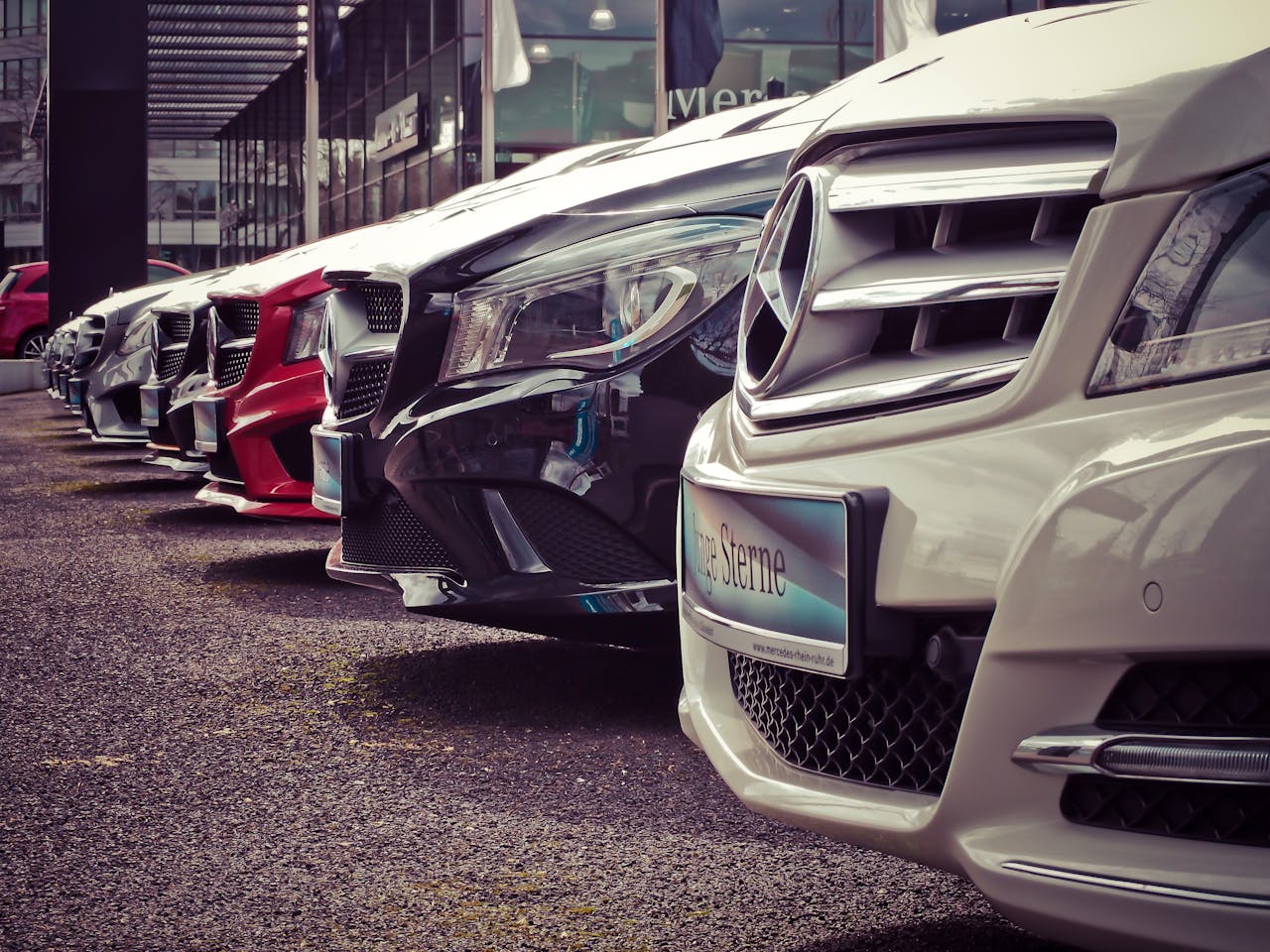
Marketing reinforces the idea that we choose cars rationally, but it also quietly feeds psychological desires. Advertisements focus more on freedom, confidence, adventure, and belonging than on technical specs. By the time we’re comparing numbers, our emotional preference is often already formed—logic steps in mainly to defend the choice we’ve emotionally made.
Choosing a car is rarely just about getting from point A to point B. It’s about identity, emotion, comfort, and how we navigate the world. The hidden psychology behind car choices explains why the decision feels so personal and why two people with the exact needs can end up with entirely different vehicles. Once you notice these influences, you may realize your car says more about you than you ever expected.