
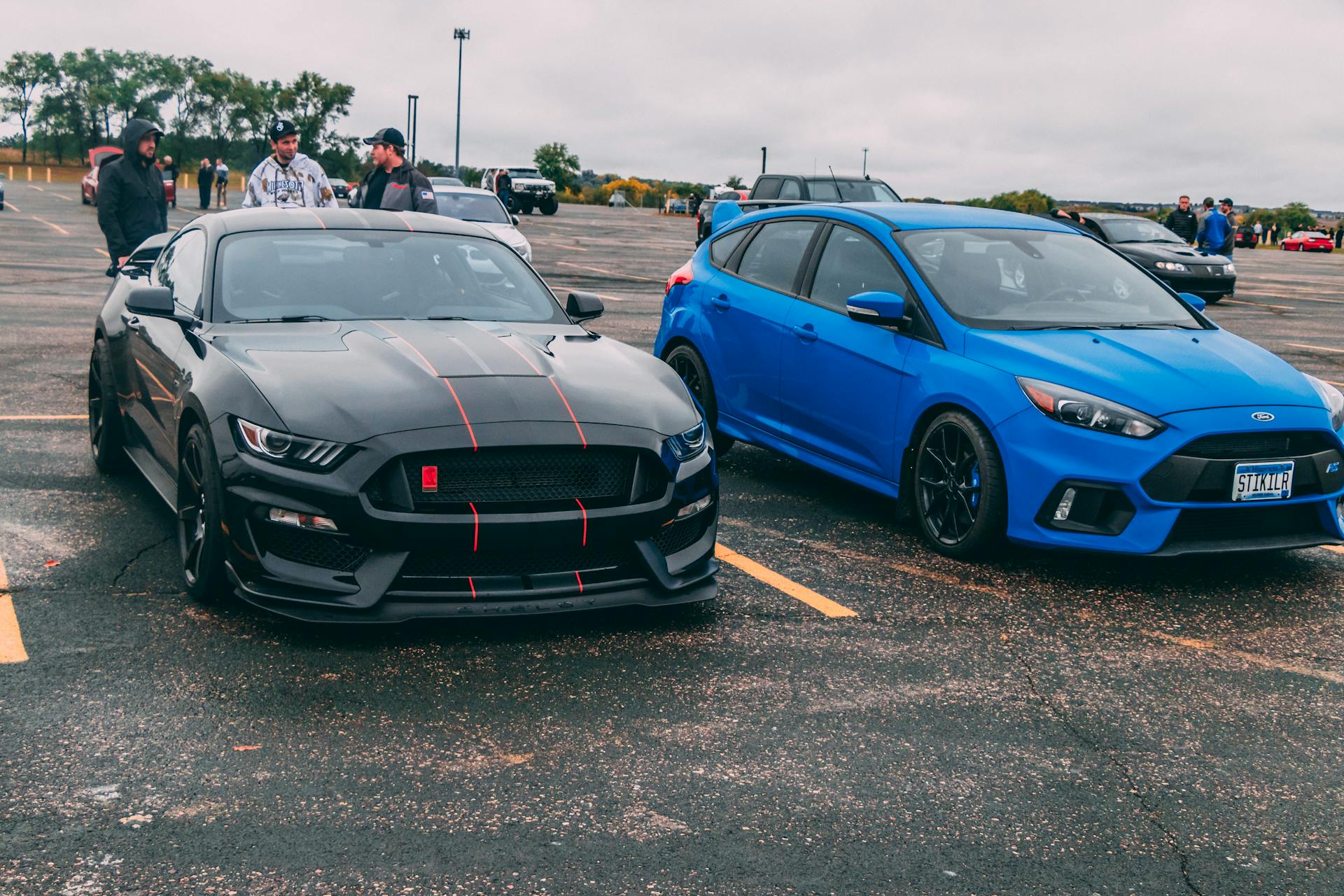
Most of us choose cars based on logic. Price, fuel efficiency, safety ratings, and reliability. All sensible reasons. But if that were the whole story, parking lots would look a lot more boring. The truth is, car choices are deeply personal and often emotional. Beneath the spreadsheets and comparisons, psychology plays a quiet but influential role in why we’re drawn to certain vehicles over others.
Cars as Extensions of Identity
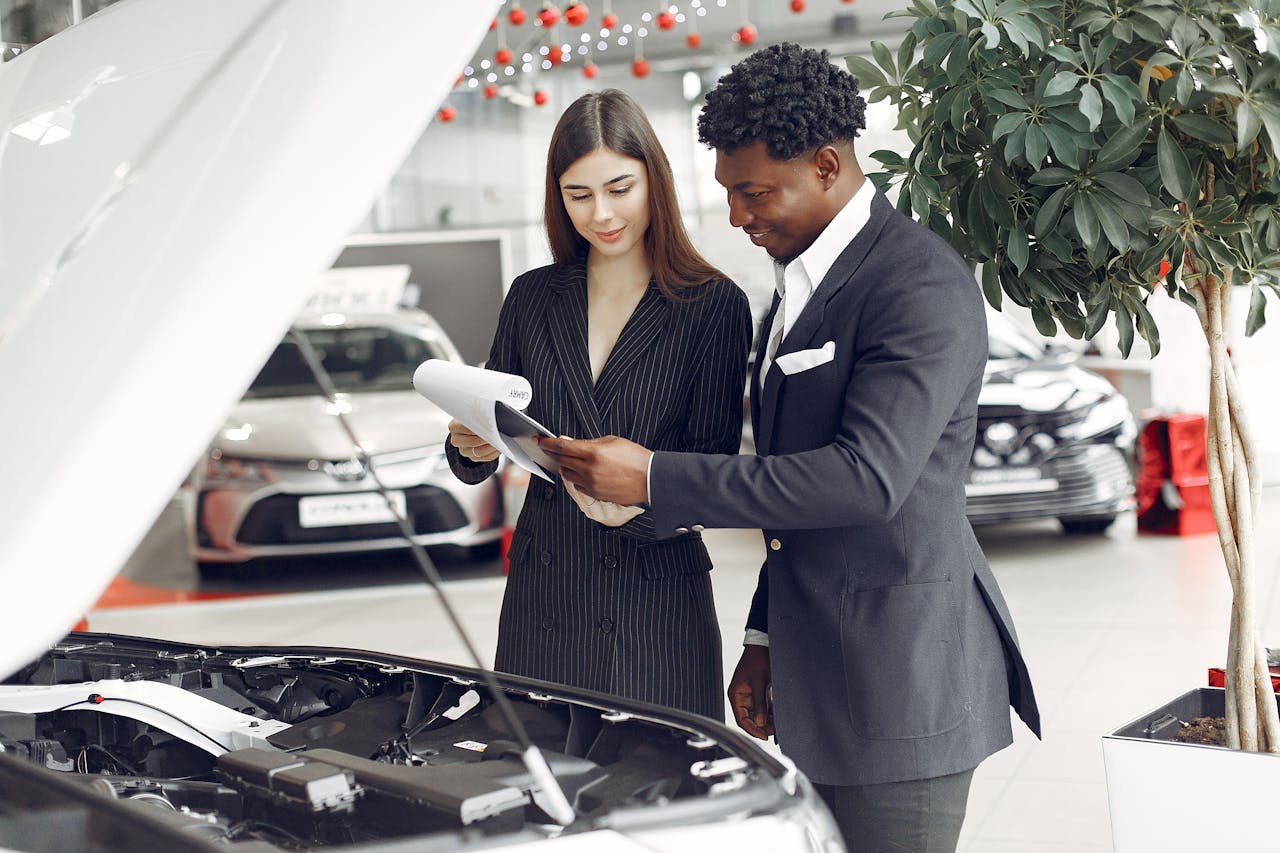
For many people, a car feels like an extension of who they are. It’s one of the most visible personal items we own, and we carry it into public spaces every day. Someone who chooses a sporty coupe may be expressing independence or confidence, while someone drawn to a rugged SUV might value preparedness or strength. These choices aren’t always conscious, but they reflect how we see ourselves or how we want to be seen.
The Role of Emotion in Decision-Making
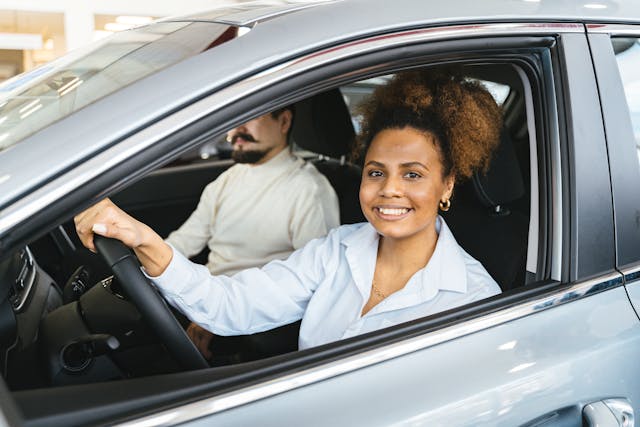
Even when we think we’re being rational, emotions often drive the final decision. The feeling you get when you sit in the driver’s seat, the sound of the door closing, or the way the dashboard lights up can outweigh practical concerns. That “this feels right” moment is emotional validation, not logic. Our brains are wired to prioritize feelings, especially when a purchase is tied to daily life and personal freedom.
Status and Social Signaling
Whether we admit it or not, cars are social signals. Certain brands carry cultural meanings tied to success, creativity, practicality, or rebellion. Choosing a particular car can be a way to align with a group or distance ourselves from one. Even people who claim they “don’t care about status” are often reacting to it in some way, either by embracing it or intentionally rejecting it.
Comfort, Control, and Safety Signals
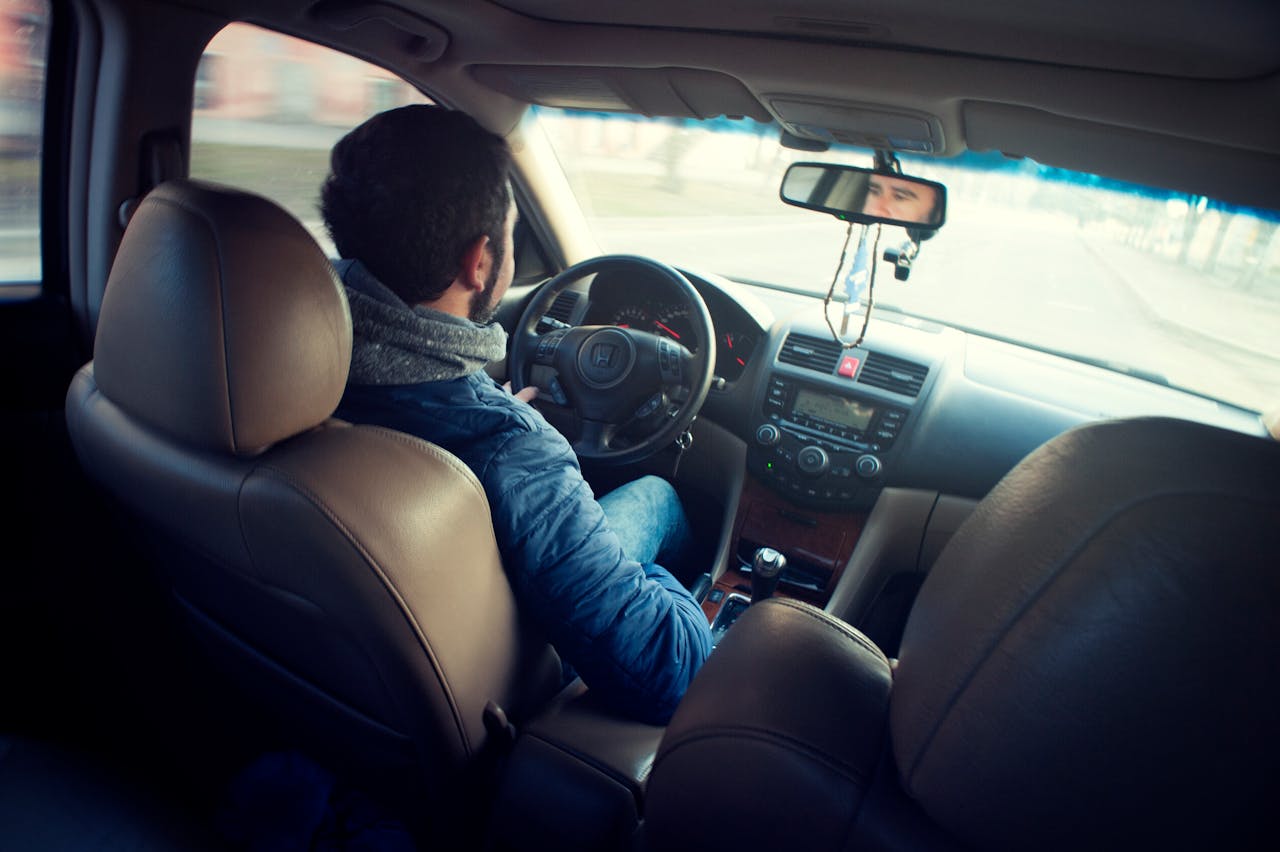
Cars also tap into deeper psychological needs, such as safety and control. Larger vehicles can create a sense of protection, even if safety statistics don’t always support that perception. Smooth handling and quiet interiors can reduce stress, making a car feel like a safe zone in an otherwise chaotic day. These subtle cues influence how secure we feel behind the wheel, which, in turn, strongly affects our preferences.
Nostalgia and Personal History
Past experiences shape future choices more than we realize. A car similar to one a parent drove, a model tied to a memorable road trip, or even a vehicle from a favorite movie can influence what feels familiar and appealing. Nostalgia creates emotional shortcuts, making certain cars feel trustworthy or exciting without needing much justification.
The Illusion of Pure Logic
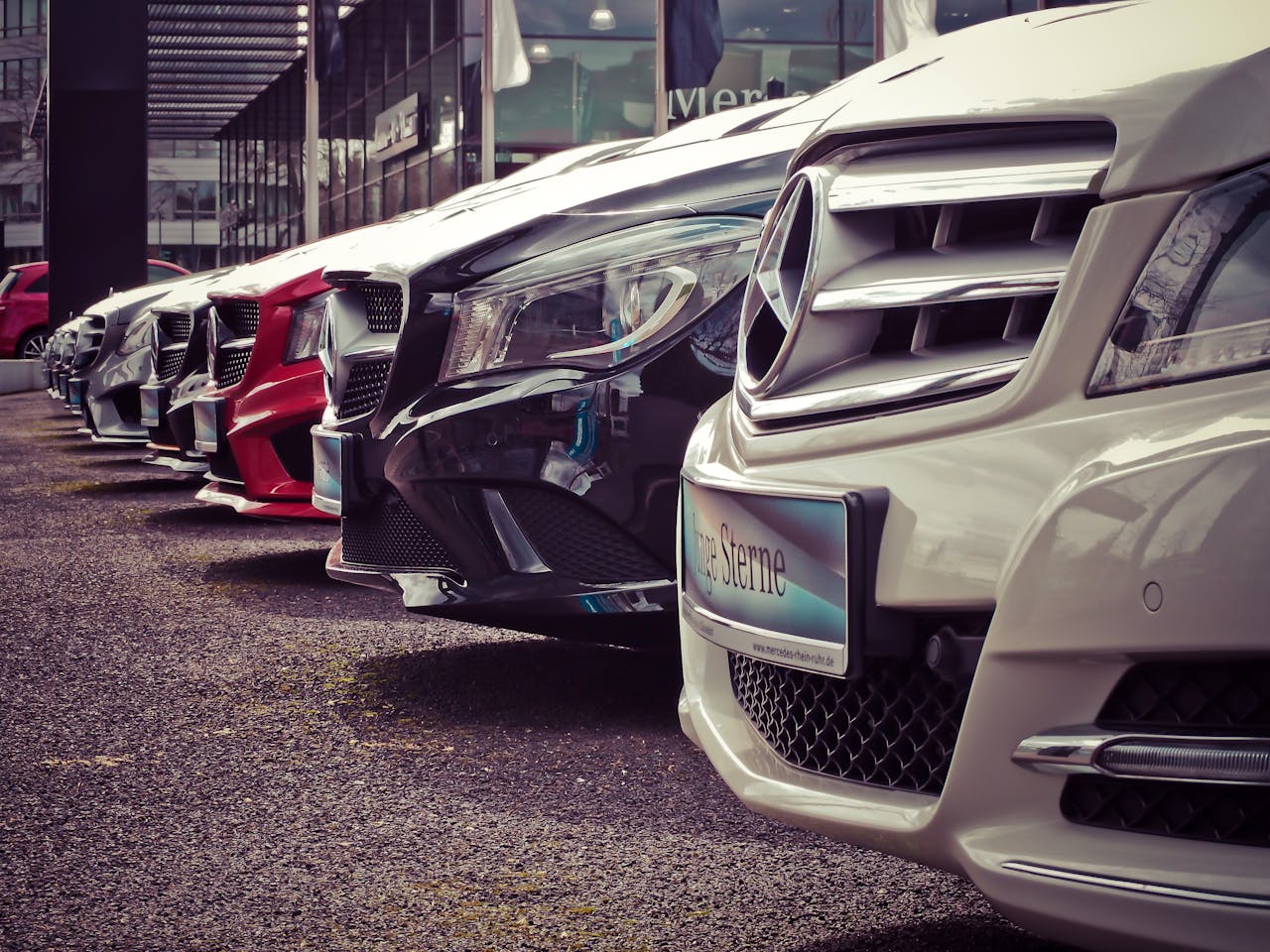
Marketing reinforces the idea that we choose cars rationally, but it also quietly feeds psychological desires. Advertisements focus more on freedom, confidence, adventure, and belonging than on technical specs. By the time we’re comparing numbers, our emotional preference is often already formed—logic steps in mainly to defend the choice we’ve emotionally made.
Choosing a car is rarely just about getting from point A to point B. It’s about identity, emotion, comfort, and how we navigate the world. The hidden psychology behind car choices explains why the decision feels so personal and why two people with the exact needs can end up with entirely different vehicles. Once you notice these influences, you may realize your car says more about you than you ever expected.…

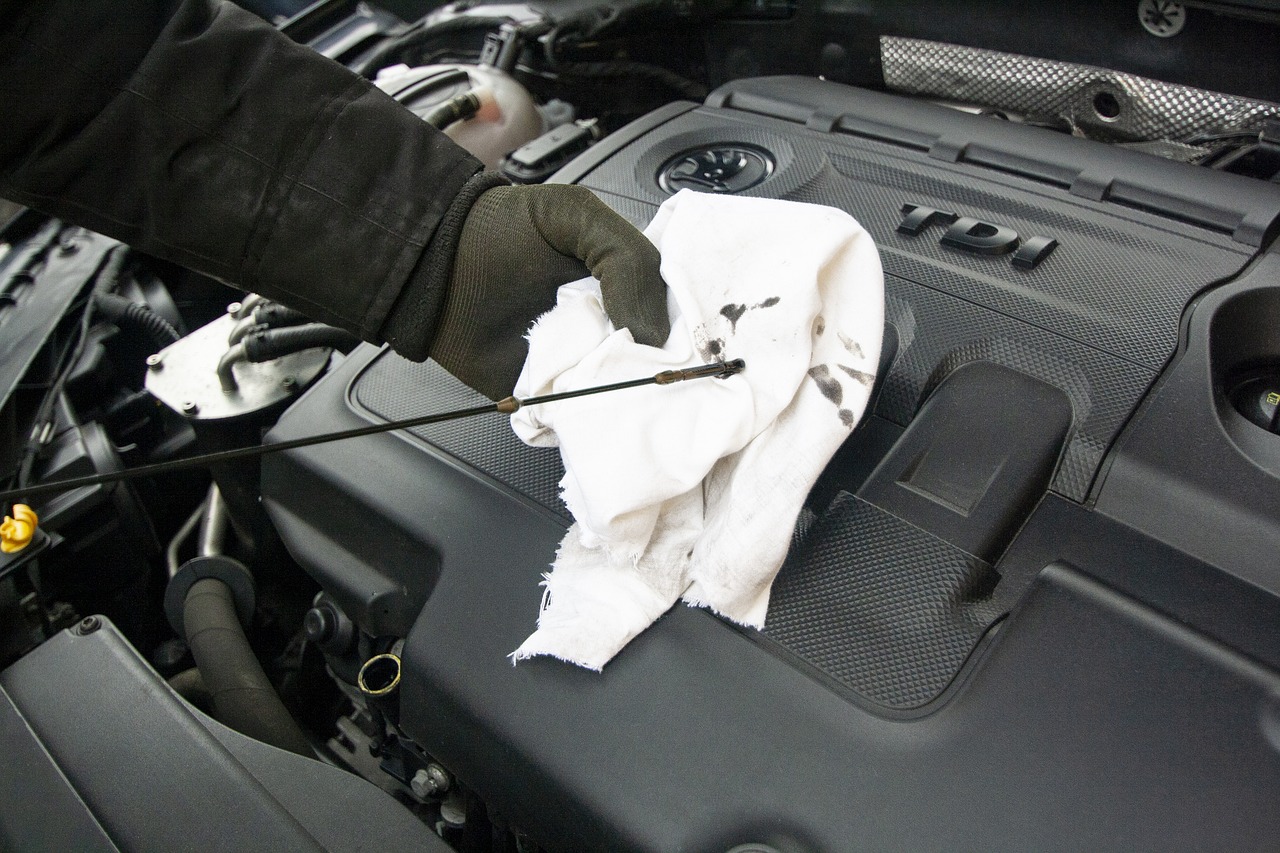
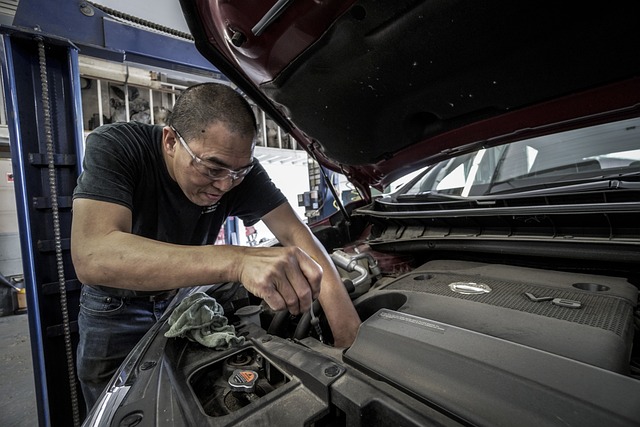
 Exhaust smoke coming from your car can be a sign that something is not quite right under the hood. If you notice thick, billowing white smoke pouring out of your exhaust pipe, it could indicate a coolant leak into the combustion chamber. On the other hand, if you see blue smoke, it might suggest that oil is burning within the engine. This could point to worn piston rings or valve seals needing attention.
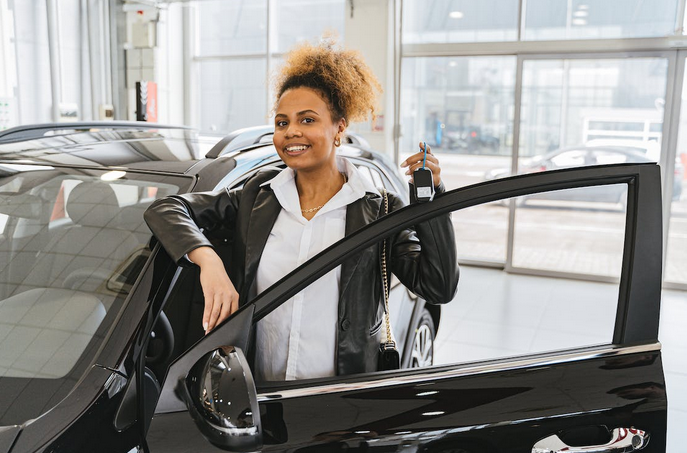
 Many dealerships offer leasing specials for certain makes and models of cars. These can range from low-interest rates to discounted monthly payments or even free maintenance packages.
 If you’re ever in a car accident, you’re going to want to be able to get out of your
 Many people don’t realize that renting a car is actually the cheaper option. If you use a car just for an hour or two, renting is definitely the way to go. This type of convenience will cost less than it would take to own and maintain your vehicle. When you become a full-fledged car owner, you will soon realize the many horrors that come with car ownership, such as paying to cover insurance, ownership tax, and other maintenance costs.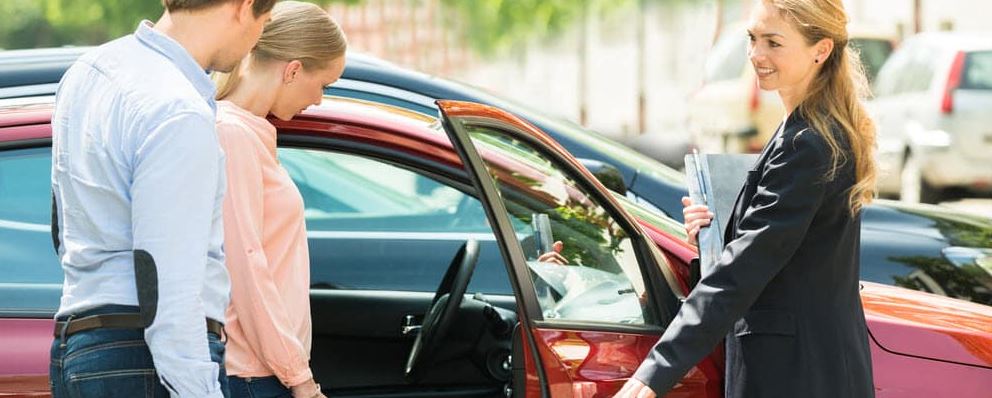
 Often, behind such an exciting activity as buying a car, there are also several difficulties. This process may end up overpaying hundreds or thousands of dollars for a model that doesn’t suit you at all! Everything was so interesting and tempting, but today you regret your choice? Here are common mistakes we make when buying a car.
 A test drive is one of the essential points of buying a car. Most cars look great on advertising photos in glossy magazines. Driving yourself is the best chance to make sure that this car is right for you and your family. Do you want surprises after buying a car? – Not. Surprisingly, many people skip this step when choosing a car. Many agree to a symbolic “rolling,” and in the worst case, skip it. This is a mistake and a sure recipe for repentance in the future. To “see everything with your own eyes” you need at least half an hour.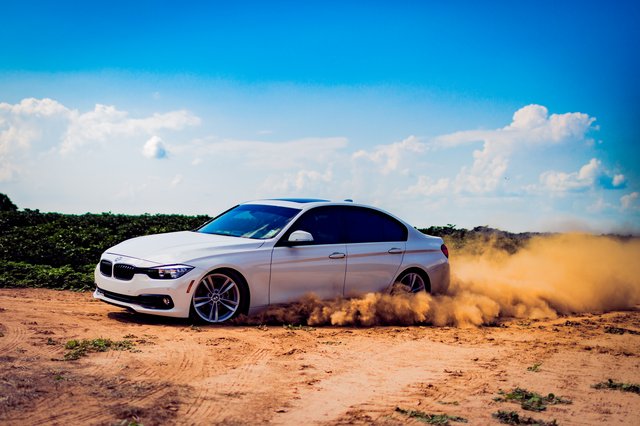
 Comparing the prices of a new and a used automobile, you will notice that the gap is massive. Unless you are renting a new car, affording it will cost you a fortune. Instead of spending $25000 on a new vehicle, you can spend $10000 on a used automobile and save the extra money for maintenance and servicing.Buying a new car is an exciting experience until you start paying hidden fees like destination charges, dealer preparation, and shipping fees. Other payments include advertisement costs that cost up to a thousand dollars.
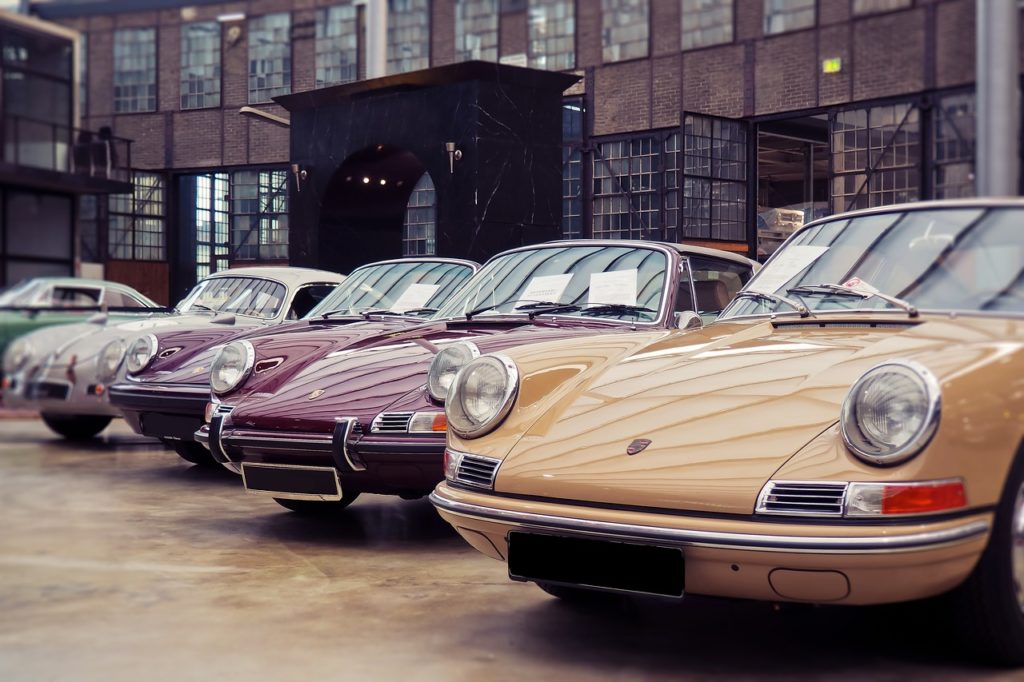 Buying a second-hand vehicle allows you to choose from a wide range of choices. This type of purchase gives you the option to find any car model you desire at affordable prices. When buying used cars, you have a broader selection of inventory compared to new ones.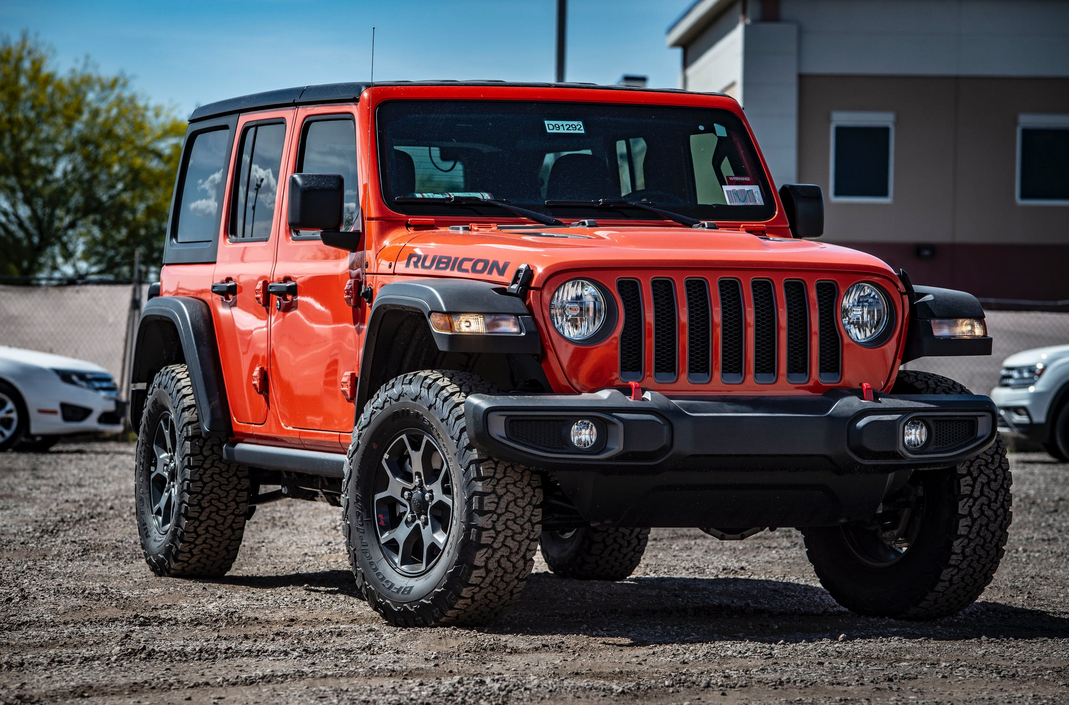
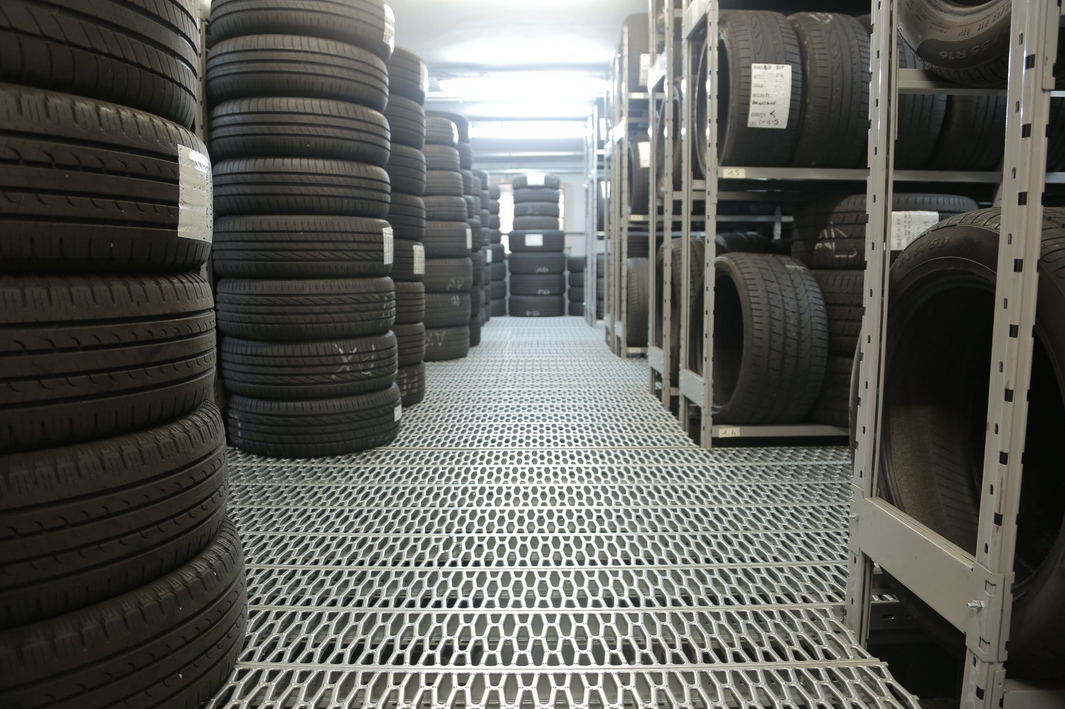 There are several things a driver should consider when choosing the right kind of tires. It is essential to note that there are different types of tires one can purchase. The different tires include all-season tires, performance, summer, all-terrain, touring, mud-terrain, and spare tires. The different types of tires are built for specific tasks.
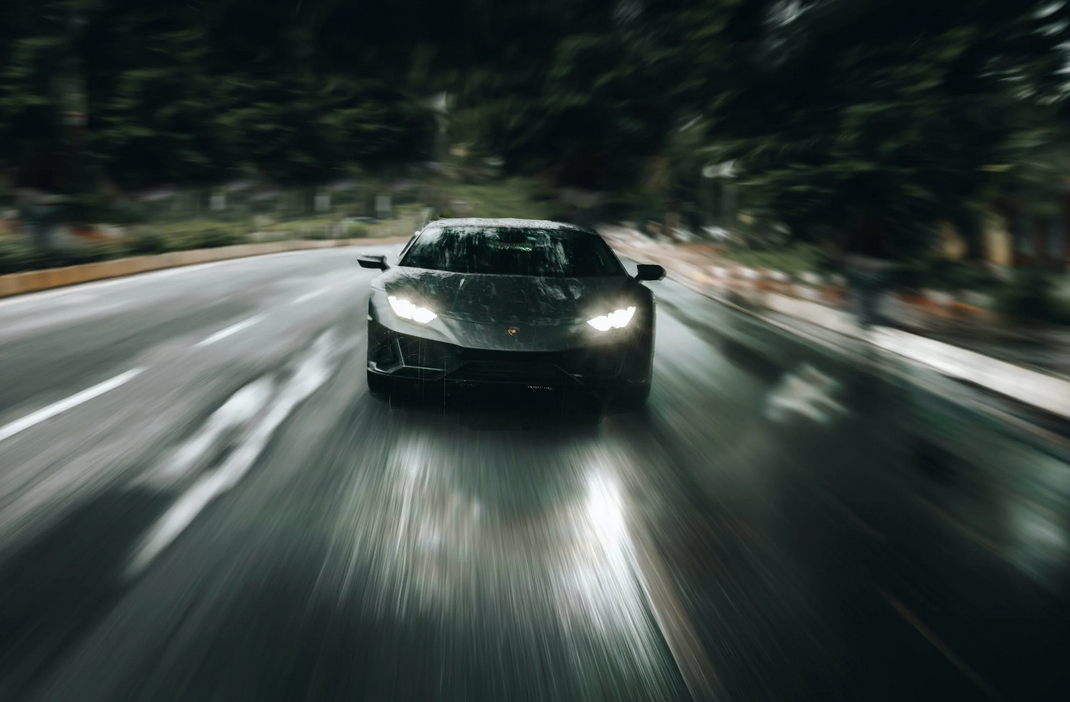 It is essential to check the speed rating before purchasing any tires. This is essential as it will ensure you know the speed that the tire can handle; this includes gripping and stopping. Buying tires with a higher speed rating means that you can comfortably drive your vehicle and stick on the road and stop with ease. The last letter on a tire tends to determine its speed rating. It is advised to get tires that are rated to handle high speeds.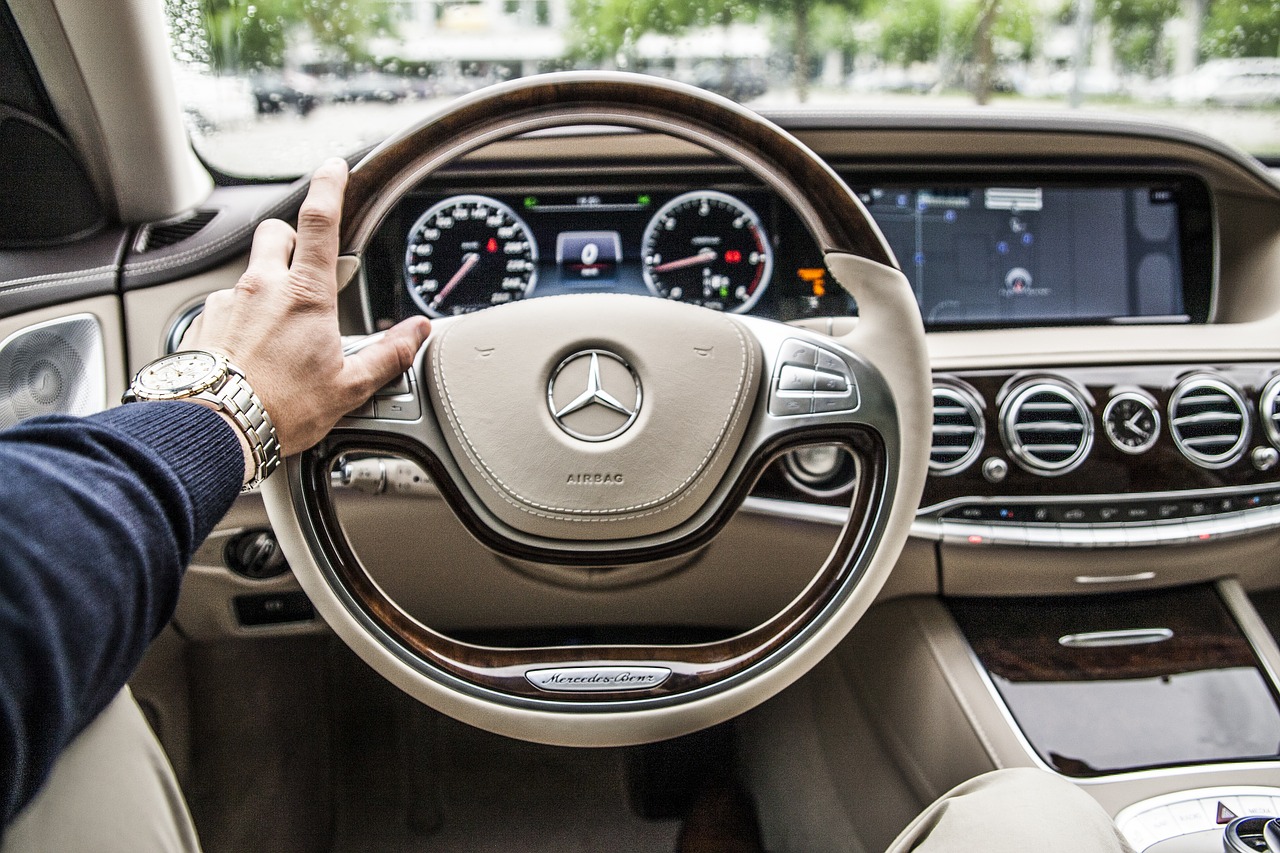
 There is no good feeling more than an assurance to be rescued from an eventuality. Of course, one needs to be more attentive but remember our point of discussion here is “accidental.”
 Auto glasses are costly if not well planned for. Whether you have full or partial coverage, the fact that you are not entitled to depend on your pocket in case of an accident entirely gives one a sense of comfort.
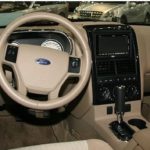 Different brands represent distinct values in a car. Some brands are better with manufacturing off-road cars, and others do not concentrate their effort on off-road capabilities of the vehicles they manufacture. Some brands have built their name by making quality trucks and other enviable cars. A brand also represents quality. If you get a car from an excellent brand, then your experience with the car will be fulfilling.
 We are living in a generation whereby, you have to budget your cash to the last coin. Any expense that is unnecessary should be avoided. It is always wise to go for a car that is friendly to your pocket. The price of gas has been on the rise for the last few years. Therefore, you need to know the amount of cash you can comfortably spend on gas every month.